Category: Technology

  • Will Blockchain Replace Banks in the Future?

    Will Blockchain Replace Banks in the Future?

    Introduction

    The financial world is changing rapidly because of modern technologies, and one of the biggest innovations leading this transformation is blockchain technology. A few years ago, blockchain was mainly associated with cryptocurrencies like Bitcoin, but today it has expanded far beyond digital coins. From international payments to smart contracts and decentralized finance, blockchain is slowly entering areas that were traditionally controlled by banks.

    This has created an important discussion across the world — Will blockchain replace banks in the future? Many technology experts believe blockchain has the power to reduce the role of traditional banks, while others think banks will continue to exist but in a more digital and advanced form.

    The reality is that blockchain is not simply a competitor to banks; it is a technology that is forcing the banking industry to evolve faster than ever before.


    Understanding Blockchain Technology

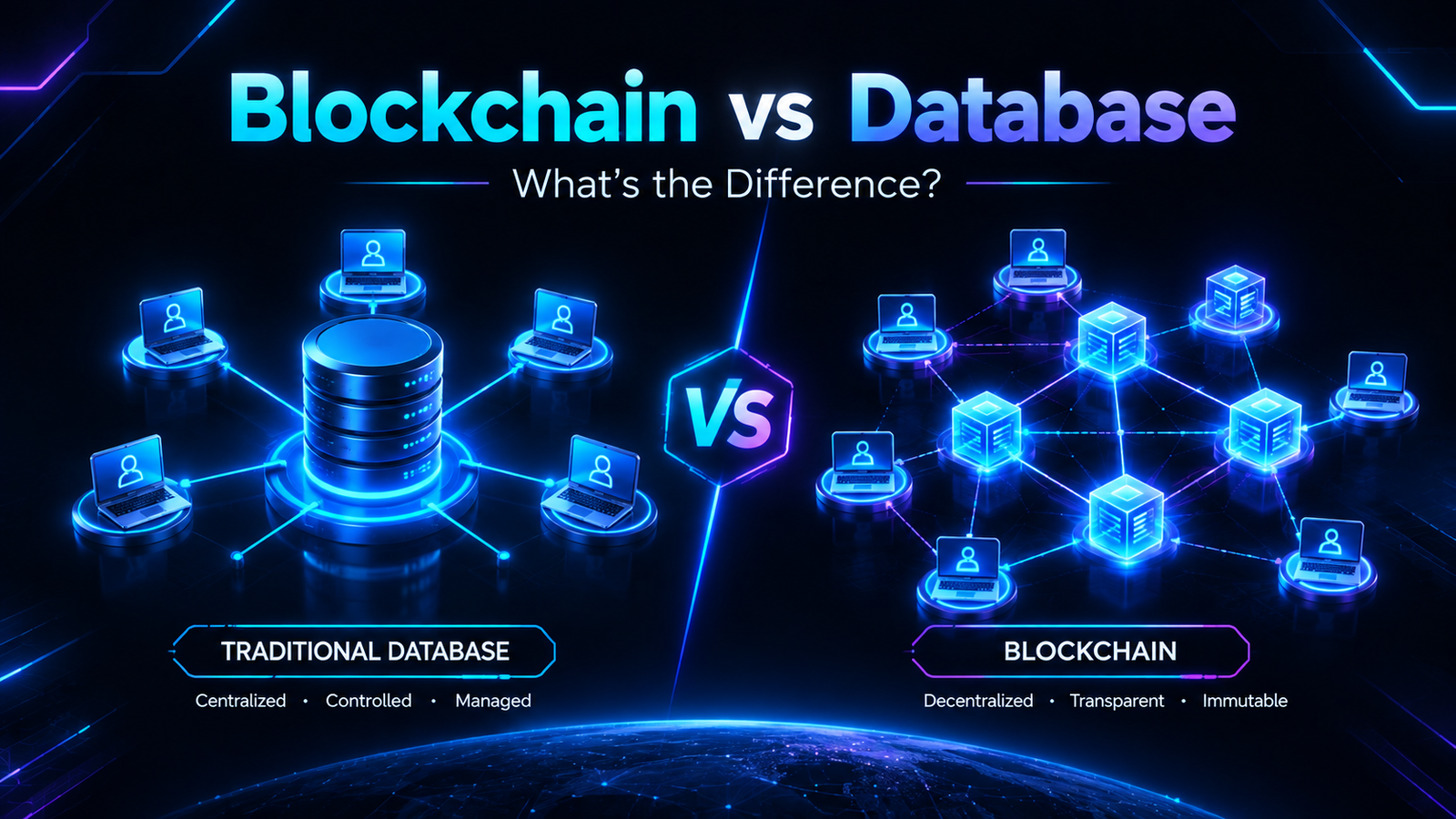
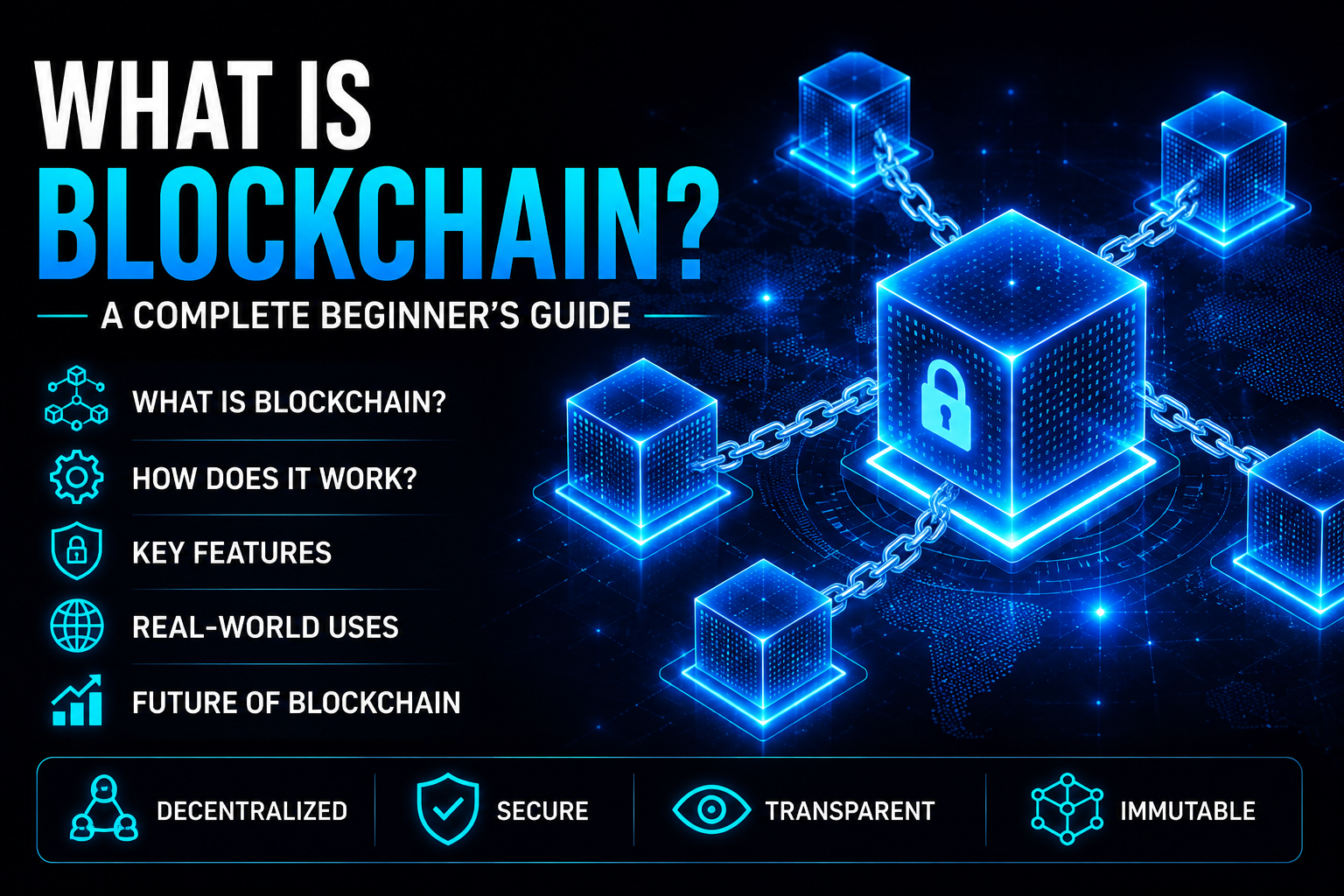
    Blockchain is a decentralized digital ledger that stores transaction records securely across multiple computers. Unlike traditional banking systems where data is controlled by one central authority, blockchain distributes information across an entire network. Every transaction added to the blockchain becomes permanent and extremely difficult to alter.

    This technology increases transparency and security because all participants in the network can verify transactions. Blockchain also removes the need for many intermediaries, which helps reduce costs and processing time.

    Traditional banks rely heavily on centralized systems to verify payments and maintain financial records. Blockchain introduces a new approach where transactions can happen directly between users without requiring constant involvement from banks.

    Because of these advantages, blockchain is becoming one of the most important technologies in the modern financial sector.


    Why People Believe Blockchain Can Replace Banks

    One of the main reasons people believe blockchain can replace banks is because it enables peer-to-peer financial transactions. Users can send money directly to anyone across the world without depending entirely on banking institutions.

    For example, international bank transfers often take several business days and include processing fees, currency conversion charges, and verification delays. Blockchain-based transfers can happen within minutes with lower fees and without complicated approval systems.

    Another major reason is the rise of Decentralized Finance (DeFi). DeFi platforms allow people to lend, borrow, trade, and invest using blockchain networks instead of traditional banks. Platforms built on Ethereum and Polygon are already offering financial services to millions of users globally.

    This creates a future where financial systems may become more open, digital, and decentralized.


    Advantages of Blockchain Over Traditional Banking

    Blockchain offers several advantages that make it attractive compared to traditional banking systems.

    One major benefit is transparency. Every blockchain transaction is recorded publicly and cannot easily be changed. This reduces corruption and unauthorized manipulation of records.

    Another advantage is lower transaction costs. Traditional banks charge fees for account maintenance, transfers, and international payments. Blockchain reduces the involvement of middlemen, which helps lower operational expenses.

    Security is also a strong feature of blockchain technology. Blockchain networks use advanced cryptography, making them difficult to hack compared to centralized databases.

    Blockchain can also improve financial inclusion. Millions of people worldwide still do not have access to banking services, especially in rural areas. However, many of them have smartphones and internet access. Blockchain wallets allow users to participate in digital finance without needing a traditional bank account.

    Because of these benefits, blockchain is becoming increasingly important in the future of finance.


    Why Banks Still Remain Important

    Despite the growth of blockchain, banks still provide many services that blockchain alone cannot fully replace.

    Banks offer legal protection and customer trust. If money is stolen from a bank account or fraudulent activity occurs, banks often provide support and recovery systems. In decentralized blockchain systems, users are usually responsible for protecting their own assets and passwords.

    Governments also regulate banks strictly to prevent money laundering, fraud, and illegal activities. Most countries do not want completely uncontrolled financial systems, which is why regulations around cryptocurrencies continue to increase.

    Another challenge is cryptocurrency volatility. Digital assets like Bitcoin can experience massive price fluctuations within short periods. Traditional banks, on the other hand, provide stability that most businesses and individuals still prefer.

    Public understanding is another issue. Many people still find blockchain technology confusing, especially concepts like private keys, crypto wallets, and gas fees. Banks remain easier and more comfortable for everyday users.

    Because of these reasons, blockchain may reduce the dependence on banks, but eliminating banks completely is unlikely in the near future.


    How Banks Are Adopting Blockchain

    Interestingly, many banks are now integrating blockchain technology into their systems instead of rejecting it. Financial institutions understand that blockchain can help improve speed, security, and efficiency.

    Banks are experimenting with:

    • Blockchain-based payment systems
    • Faster international transfers
    • Smart contracts
    • Digital identity verification
    • Asset tokenization

    Several countries are also developing Central Bank Digital Currencies (CBDCs) such as the Digital Rupee and Digital Yuan. These government-backed digital currencies combine blockchain-inspired technology with regulated banking systems.

    This indicates that the future financial system may involve collaboration between blockchain and banks rather than direct replacement.


    The Future of Banking in the Blockchain Era

    The future banking industry will likely become more digital, automated, and technology-driven. Artificial Intelligence, blockchain, and smart contracts may work together to create smarter financial systems.

    Future banks may provide:

    • Instant global payments
    • Crypto asset management
    • AI-powered customer support
    • Blockchain security systems
    • Digital investment platforms

    Traditional banks that adopt innovation and modern technology are more likely to survive and grow stronger in the coming years.

    At the same time, decentralized finance platforms may continue expanding and provide alternative financial services to people who prefer digital independence.


    Conclusion

    Blockchain technology is transforming the financial industry at a very fast pace. It offers faster transactions, lower costs, greater transparency, and decentralized financial systems that challenge traditional banking methods.

    However, banks still play an essential role in providing trust, regulation, customer protection, and financial stability. Because of this, blockchain may not completely replace banks anytime soon.

    Instead, the future will probably be a combination of traditional banking and blockchain technology working together to build a more efficient and secure financial ecosystem.

    One thing is clear — blockchain is no longer just the technology behind cryptocurrency. It is becoming one of the biggest innovations shaping the future of global finance and digital banking.

  • How AI and Blockchain Work Together: The Future of Smart Technology

    How AI and Blockchain Work Together: The Future of Smart Technology

    Artificial Intelligence (AI) and Blockchain are two of the most powerful technologies shaping the digital world in 2026. Individually, both technologies have already transformed industries. AI is making machines smarter, while blockchain is making digital systems more secure and transparent. But when these two technologies work together, they create something even more revolutionary.

    From healthcare and finance to cybersecurity and smart cities, AI and blockchain are becoming the backbone of next-generation innovation. Tech companies, startups, and governments are investing billions into combining these technologies because together they solve many modern digital problems.

    In this blog, we’ll explore how AI and blockchain work together, their real-life applications, benefits, challenges, and why this combination is considered the future of technology.


    What is Artificial Intelligence (AI)?

    Artificial Intelligence refers to machines or computer systems that can think, learn, analyze, and make decisions like humans. AI uses algorithms and data to perform tasks such as:

    • Voice recognition
    • Image detection
    • Language translation
    • Recommendation systems
    • Chatbots
    • Self-driving cars

    Popular AI tools like ChatGPT, Google Gemini, and AI-powered assistants are examples of how AI is becoming part of everyday life.

    AI works best when it has access to massive amounts of accurate data. However, data security and trust are major challenges. This is where blockchain enters the picture.


    What is Blockchain Technology?

    Blockchain is a decentralized digital ledger that stores information securely across multiple computers. Once data is added to the blockchain, it becomes almost impossible to change or hack.

    Key features of blockchain include:

    • Transparency
    • Security
    • Decentralization
    • Immutability
    • Trustless transactions

    Blockchain is most famous for powering cryptocurrencies like Bitcoin, but its uses now go far beyond crypto.

    Industries using blockchain today include:

    • Banking
    • Supply chain
    • Healthcare
    • Real estate
    • Gaming
    • Voting systems

    Why AI and Blockchain Need Each Other

    AI and blockchain solve each other’s weaknesses.

    Problems with AI

    • AI depends heavily on data
    • Data can be manipulated or stolen
    • AI systems often lack transparency
    • Users may not trust AI decisions

    Problems with Blockchain

    • Blockchain cannot analyze complex data efficiently
    • Smart contracts have limited intelligence
    • Blockchain systems can be slow

    When combined:

    • Blockchain provides secure and trusted data for AI
    • AI improves blockchain efficiency and automation

    Together, they create intelligent, transparent, and secure systems.


    How AI and Blockchain Work Together

    1. Secure Data Sharing

    AI systems require huge amounts of data to learn and improve. Blockchain can securely store and verify this data.

    For example:

    • Hospitals can share medical records securely
    • AI can analyze patient data without privacy risks
    • Blockchain ensures data authenticity

    This creates a safer environment for AI training.


    2. Improving AI Transparency

    One major criticism of AI is the “black box” problem. Sometimes AI makes decisions without explaining how it reached them.

    Blockchain records every AI decision transparently. This helps:

    • Track AI behavior
    • Reduce bias
    • Increase trust

    Businesses and governments can verify how AI systems make decisions.


    3. Smarter Smart Contracts

    Smart contracts are self-executing digital agreements on blockchain networks. However, traditional smart contracts are limited.

    AI adds intelligence to smart contracts by allowing them to:

    • Analyze situations
    • Predict outcomes
    • Make smart decisions automatically

    Example:
    An insurance company can use AI-powered smart contracts to automatically detect accidents and process claims instantly.


    4. Fraud Detection

    AI is excellent at identifying suspicious activities and patterns.

    Blockchain stores transaction histories securely, while AI analyzes them to detect:

    • Fraud
    • Cyberattacks
    • Fake transactions
    • Money laundering

    Banks and fintech companies are already using AI and blockchain together for advanced fraud prevention systems.


    5. Decentralized AI Systems

    Today, big tech companies control most AI systems and user data.

    Blockchain enables decentralized AI platforms where:

    • Users own their data
    • AI models become transparent
    • No single company controls the system

    This creates a fairer and more democratic AI ecosystem.


    Real-Life Applications of AI and Blockchain

    Healthcare Industry

    Healthcare is one of the biggest sectors benefiting from AI and blockchain integration.

    How it works:

    • Blockchain securely stores patient records
    • AI analyzes health data for diagnosis
    • Doctors access trusted medical histories instantly

    Benefits:

    • Faster treatment
    • Reduced medical fraud
    • Better patient privacy

    AI can even predict diseases using blockchain-protected medical data.


    Banking and Finance

    Banks handle millions of transactions daily, making security extremely important.

    AI + Blockchain in banking:

    • AI detects fraud instantly
    • Blockchain secures transactions
    • Smart contracts automate payments

    This reduces:

    • Human errors
    • Processing costs
    • Fraud risks

    Cryptocurrency exchanges also use AI-powered blockchain systems for better security.


    Supply Chain Management

    Companies need to track products from factories to customers.

    Blockchain records every movement of products, while AI analyzes logistics data.

    Benefits:

    • Real-time tracking
    • Fake product detection
    • Faster deliveries
    • Better inventory management

    Large companies use AI and blockchain to improve global supply chains.


    Cybersecurity

    Cybercrime is increasing rapidly in the digital age.

    AI helps detect threats quickly, while blockchain prevents data tampering.

    Together they provide:

    • Advanced threat detection
    • Secure identity verification
    • Protection against hacking

    This combination is becoming essential for cybersecurity systems worldwide.


    Smart Cities

    Future smart cities rely heavily on intelligent systems.

    AI and blockchain can manage:

    • Traffic systems
    • Electricity usage
    • Waste management
    • Public safety

    Blockchain secures city data, while AI optimizes operations automatically.

    This creates safer and more efficient urban environments.


    Benefits of Combining AI and Blockchain

    Enhanced Security

    Blockchain protects AI data from tampering and hacking.

    Better Trust

    Transparent blockchain records increase trust in AI decisions.

    Improved Automation

    AI-powered smart contracts reduce manual work and increase efficiency.

    Faster Decision-Making

    AI analyzes data instantly while blockchain provides verified information.

    Decentralization

    Users gain more control over their personal data instead of depending on large corporations.


    Challenges of AI and Blockchain Integration

    Although the future looks exciting, combining AI and blockchain also comes with challenges.

    High Costs

    Building AI-blockchain systems requires advanced infrastructure and investment.

    Scalability Issues

    Blockchain networks can become slow when handling massive AI data.

    Technical Complexity

    Both technologies are highly complex and require skilled professionals.

    Regulatory Concerns

    Governments are still developing laws for AI and blockchain systems.


    Future of AI and Blockchain

    Experts believe AI and blockchain together will drive the next digital revolution.

    Future developments may include:

    • Fully autonomous businesses
    • AI-powered decentralized apps
    • Secure digital identities
    • Smarter healthcare systems
    • Advanced robotic automation

    Web3 platforms are already combining blockchain and AI to create decentralized internet ecosystems.

    As technology advances, industries that adopt AI and blockchain early may gain massive competitive advantages.


    Top Companies Working on AI and Blockchain

    Many leading companies are investing heavily in these technologies.

    Some popular names include:

    • IBM
    • Microsoft
    • Google
    • OpenAI
    • NVIDIA
    • Ethereum-based startups

    These companies are building AI-powered blockchain solutions for real-world problems.


    AI + Blockchain in Cryptocurrency

    Cryptocurrency projects are increasingly integrating AI into blockchain networks.

    Examples include:

    • AI trading bots
    • Predictive crypto analysis
    • AI-powered DeFi platforms
    • Automated risk management

    This trend is becoming one of the hottest topics in the crypto industry.


    Why This Technology Matters in 2026

    In today’s digital world, data is the new currency. Businesses need systems that are:

    • Smart
    • Secure
    • Transparent
    • Fast
    • Reliable

    AI provides intelligence, while blockchain provides trust.

    Together, they can reshape industries and solve some of the biggest problems in technology.

    This is why AI and blockchain are often called the “perfect tech partnership.”


    Conclusion

    AI and blockchain are no longer just futuristic concepts. They are real technologies already transforming businesses and daily life. AI makes systems smarter, while blockchain makes them secure and transparent.

    When these technologies work together, they unlock incredible possibilities:

    • Smarter automation
    • Safer digital systems
    • Better healthcare
    • Advanced cybersecurity
    • Transparent financial systems

    The combination of AI and blockchain is expected to dominate the future of innovation in 2026 and beyond.

    As industries continue adopting these technologies, understanding how AI and blockchain work together will become increasingly important for students, developers, businesses, and tech enthusiasts.

    The future is intelligent, decentralized, and secure — and AI with blockchain is leading the way.

  • What Are Nodes? Types of Nodes and Their Real-Life Uses

    What Are Nodes? Types of Nodes and Their Real-Life Uses

    Introduction

    In today’s digital world, technology connects billions of devices every second. Whether you are browsing the internet, watching videos online, sending messages through social media, making online payments, or using smart home devices, all these systems rely on networks. One of the most important concepts behind these networks is the node.

    The term “node” is commonly used in computer networking, blockchain technology, cloud computing, and the Internet of Things (IoT). Although the word may sound technical, the concept is actually simple. A node is basically a connection point in a network that can send, receive, store, or process information.

    Every modern digital system depends on nodes to function efficiently. Without nodes, devices would not be able to communicate with each other. From smartphones and computers to servers and blockchain systems, nodes play a major role in ensuring smooth communication and data transfer.

    In this blog, we will explore what nodes are, how they work, the different types of nodes, and their real-life applications.


    What Is a Node?

    A node is any device or connection point within a network that can communicate with other devices. Nodes can send data, receive data, process information, or store information.

    In simple words, a node is an active participant in a network.

    Examples of nodes include:

    • Computers
    • Smartphones
    • Routers
    • Printers
    • Servers
    • Blockchain systems
    • Smart devices

    Whenever two or more devices connect and exchange information, they function as nodes.

    For example, when you use your mobile phone to open a website, your phone acts as a node. The server hosting the website is also a node. The routers transferring data between them are nodes as well.


    How Do Nodes Work?

    Nodes work by communicating with each other through networks. Each node has a unique address or identity that helps it send and receive data.

    When data travels through a network, it moves from one node to another until it reaches its destination.

    For example:

    1. You type a website address in your browser.
    2. Your computer sends a request to a server.
    3. The request travels through several routers and switches.
    4. The server processes the request.
    5. The website data is sent back to your device.

    In this process:

    • Your computer is a node.
    • The routers are nodes.
    • The web server is also a node.

    This communication happens within seconds because nodes continuously exchange information.


    Characteristics of Nodes

    Nodes have several important characteristics:

    1. Communication

    Nodes communicate with other nodes in the network.

    2. Identification

    Every node has a unique identity such as an IP address or MAC address.

    3. Data Processing

    Some nodes process and manage data.

    4. Data Storage

    Certain nodes store information for future use.

    5. Connectivity

    Nodes connect networks and devices together.


    Types of Nodes

    There are different types of nodes depending on their purpose and functionality.

    1. Network Node

    A network node is any device connected to a computer network.

    Examples:

    • Desktop computers
    • Laptops
    • Mobile phones
    • Printers
    • Wi-Fi devices

    Real-Life Uses:

    Network nodes are commonly used in:

    • Schools
    • Colleges
    • Offices
    • Banks
    • Homes

    In an office network, computers and printers communicate with each other through nodes to share files and internet access.

    Advantages:

    • Easy communication
    • File sharing
    • Resource sharing

    2. Server Node

    A server node is a powerful computer or system that provides services and resources to other devices.

    Examples:

    • Web servers
    • Database servers
    • Cloud servers
    • Email servers

    Real-Life Uses:

    Whenever you:

    • Watch videos online
    • Use social media
    • Open websites
    • Store files in cloud storage

    server nodes are working behind the scenes.

    For example, streaming platforms use server nodes to deliver videos to millions of users.

    Advantages:

    • Centralized data storage
    • Fast data access
    • Reliable services

    3. Client Node

    A client node requests services or data from a server node.

    Examples:

    • Smartphones
    • Tablets
    • Personal computers

    Real-Life Uses:

    When you use apps such as:

    • Messaging apps
    • Social media apps
    • Browsers
    • Gaming applications

    your device acts as a client node.

    The client node sends requests, while the server node responds with information.

    Advantages:

    • User-friendly communication
    • Access to online services
    • Fast interaction with servers

    4. Blockchain Node

    A blockchain node is a computer connected to a blockchain network that helps verify and maintain transactions.

    Examples:

    • Bitcoin nodes
    • Ethereum nodes
    • Crypto mining systems

    Real-Life Uses:

    Blockchain nodes are used in:

    • Cryptocurrency systems
    • Digital payments
    • Smart contracts
    • Decentralized applications

    For example, when someone sends cryptocurrency, blockchain nodes verify the transaction before adding it to the blockchain.

    Advantages:

    • High security
    • Transparency
    • Decentralization

    5. Peer-to-Peer (P2P) Node

    In a peer-to-peer network, all nodes have equal power and share resources directly.

    Examples:

    • File-sharing systems
    • Torrent applications
    • Decentralized networks

    Real-Life Uses:

    P2P nodes are commonly used for:

    • Sharing files
    • Sharing software
    • Online gaming
    • Music sharing

    Unlike traditional networks, P2P networks do not rely on a central server.

    Advantages:

    • Cost-effective
    • Decentralized communication
    • Easy resource sharing

    6. IoT Node (Internet of Things)

    IoT nodes are smart devices connected to the internet.

    Examples:

    • Smart TVs
    • Smart watches
    • Smart refrigerators
    • Smart lights
    • Security cameras

    Real-Life Uses:

    IoT nodes are widely used in smart homes and smart cities.

    For example:

    • Smart lights can be controlled using mobile apps.
    • Smart cameras can send live footage over the internet.
    • Fitness bands monitor health data.

    Advantages:

    • Automation
    • Remote control
    • Improved convenience

    7. Router Node

    A router node transfers data between networks.

    Examples:

    • Wi-Fi routers
    • Internet routers

    Real-Life Uses:

    Routers are used in homes, schools, and offices to provide internet access.

    They help direct data packets to the correct destination.

    Advantages:

    • Fast internet communication
    • Network management
    • Better connectivity

    8. Switch Node

    A switch node connects devices within a local network.

    Examples:

    • LAN switches
    • Ethernet switches

    Real-Life Uses:

    Switches are used in offices and computer labs to connect multiple computers.

    Advantages:

    • Faster communication
    • Reduced network traffic
    • Better performance

    Real-Life Applications of Nodes

    Nodes are used everywhere in modern technology. Below are some important real-life applications.

    1. Internet Communication

    The internet itself is a massive network of nodes.

    Whenever users:

    • Open websites
    • Send emails
    • Stream videos
    • Use social media

    nodes transfer and process data.

    Without nodes, internet communication would not be possible.


    2. Banking and Online Payments

    Banks use server nodes and secure networks to process transactions.

    Examples include:

    • ATM systems
    • Online banking
    • UPI payments
    • Credit card transactions

    Nodes help verify transactions quickly and securely.


    3. Blockchain and Cryptocurrency

    Blockchain technology depends heavily on nodes.

    Nodes verify transactions and maintain copies of the blockchain ledger.

    Applications include:

    • Bitcoin
    • Ethereum
    • Smart contracts
    • NFT platforms

    Blockchain nodes improve transparency and security.


    4. Cloud Computing

    Cloud computing platforms use multiple server nodes to store and manage data.

    Examples include:

    • Cloud storage
    • Online backups
    • Hosting platforms

    Cloud nodes help users access data from anywhere.


    5. Smart Homes

    Smart homes use IoT nodes for automation.

    Examples include:

    • Smart fans
    • Smart AC systems
    • Smart lights
    • Smart door locks

    These devices communicate through networks and can be controlled remotely.


    6. Healthcare Systems

    Hospitals use nodes for:

    • Patient record management
    • Medical device monitoring
    • Online consultations
    • Health data storage

    Connected devices help doctors monitor patients more efficiently.


    7. Transportation Systems

    Modern transportation systems use nodes in:

    • GPS systems
    • Traffic management
    • Railway networks
    • Smart traffic signals

    Nodes help improve navigation and traffic control.


    8. Educational Institutions

    Schools and colleges use network nodes for:

    • Computer labs
    • Online learning
    • Digital libraries
    • Smart classrooms

    Nodes allow students and teachers to share information quickly.


    Advantages of Nodes

    Nodes offer several benefits in networking and technology.

    1. Fast Communication

    Nodes allow quick transfer of information between devices.

    2. Better Connectivity

    Nodes help connect millions of devices worldwide.

    3. Data Sharing

    Users can share files, resources, and information easily.

    4. Reliability

    Networks with multiple nodes can continue functioning even if one node fails.

    5. Scalability

    New nodes can be added easily to expand networks.

    6. Improved Security

    Some nodes, especially blockchain nodes, provide high security and transparency.


    Disadvantages of Nodes

    Although nodes are useful, they also have some disadvantages.

    1. Security Risks

    If nodes are not protected properly, hackers may attack networks.

    2. High Maintenance Cost

    Large networks require maintenance and monitoring.

    3. Complex Management

    Managing thousands of nodes can become difficult.

    4. Network Failure

    If important nodes fail, communication may slow down.


    Future of Nodes

    As technology continues to grow, the importance of nodes will increase.

    Future technologies such as:

    • Artificial Intelligence (AI)
    • 5G networks
    • Smart cities
    • Autonomous vehicles
    • Advanced blockchain systems

    will rely heavily on nodes.

    Billions of connected devices are expected to communicate through nodes in the future, making networks faster and smarter.


    Conclusion

  • Types of Blockchain: A Simple Guide to Understanding How They Work

    Types of Blockchain: A Simple Guide to Understanding How They Work

    If you’ve heard the word “blockchain” and assumed it’s just about Bitcoin, you’re not alone. Most people make that connection. But blockchain has quietly grown into something much bigger — it’s now reshaping how banks store records, how hospitals manage patient data, how governments track land ownership, and a lot more.

    At its core, a blockchain is really just a digital record book. Information gets stored in “blocks,” and those blocks are linked together in a chain. What makes it special is that once something is written in, it’s almost impossible to change — which is why industries that care deeply about trust and accuracy have taken such a strong interest in it.

    But here’s something most people don’t realize: there isn’t just one type of blockchain. There are actually four main varieties, and each one serves a pretty different purpose. Let’s walk through them.

    1. Public Blockchain — Open to Everyone

    Think of a public blockchain like a giant open noticeboard in a town square. Anyone can walk up, read what’s there, and add their own message. No one owns it, no one controls it, and everyone can see everything.

    Bitcoin and Ethereum are the most well-known examples. Thousands of computers around the world (called “nodes”) keep the network running and verify every single transaction.

    What’s great about it: The openness is exactly what makes it trustworthy. You don’t have to rely on any company or government — the system itself does the checking. It’s also extremely difficult to hack because there’s no single point of weakness.

    The trade-offs: That openness comes at a cost. Processing transactions takes time because so many nodes need to agree. Bitcoin’s verification system also guzzles a lot of electricity. And as more people join, things can slow down even further.

    Where it’s used: Cryptocurrency transfers, decentralized apps, digital voting systems, and crowdfunding platforms.


    2. Private Blockchain — For Organizations That Need Control

    Now imagine that same noticeboard — but it’s locked inside a company’s office. Only employees with a badge can get in, and the company decides exactly who can read or write anything.

    That’s essentially what a private blockchain is. One organization runs the show. Platforms like Hyperledger and R3 Corda are built for exactly this kind of use.

    What’s great about it: Because fewer computers are involved, transactions happen much faster. Sensitive data stays protected. And the organization can scale things up or down as needed without much fuss.

    The trade-offs: You’re trusting one organization completely. If they decide to manipulate data internally, there’s not much stopping them. And since it’s not open, outsiders have no way to verify what’s happening.

    Where it’s used: Internal banking systems, employee records, healthcare data, business contracts, supply chain tracking within a single company.


    3. Consortium Blockchain — When Multiple Organizations Share Control

    This one sits in interesting territory. What if several hospitals, or a group of banks, all wanted to share a blockchain — but none of them wanted any single one to be fully in charge?

    That’s a consortium blockchain. A defined group of organizations jointly manages the network. Each participant has a role, and no single party can override the others. It’s semi-decentralized — more open than a private blockchain, but more controlled than a public one.

    What’s great about it: It’s built for collaboration. The costs and responsibilities are shared, security is stronger because multiple parties are watching, and transactions are faster than on a fully public chain.

    The trade-offs: Getting multiple organizations to agree on rules and governance is genuinely complicated. Disputes can arise. And since access is still restricted, transparency is limited to participating members.

    Where it’s used: Banking networks, insurance groups, collaborative supply chains, joint government projects, and research consortiums.


    4. Hybrid Blockchain — The Best of Both Worlds

    Some situations are complicated. An organization might want certain data to be completely public and verifiable — while keeping other data private and protected. A hybrid blockchain makes this possible.

    You get to choose: this information goes public, that information stays locked. It’s flexible in a way the other types aren’t.

    What’s great about it: Businesses get real control over their data without having to sacrifice transparency entirely. It’s also faster than a purely public chain and more cost-effective than running separate systems.

    The trade-offs: Designing a hybrid system is complex. Users have to trust the organization managing the private side — which reintroduces some of the same concerns as a private blockchain.

    Where it’s used: Real estate transactions, government service portals, retail businesses, healthcare management, and financial institutions that need to balance privacy with public accountability.


    Quick Comparison

    Feature Public Private Consortium Hybrid
    Who can join Anyone Invited only Selected group Controlled
    Who’s in charge No one (decentralized) One organization Multiple orgs Mixed
    Transparency High Low Medium Selective
    Speed Slower Fast Fast Fast
    Security Very high High High High
    Cost Higher Lower Shared Moderate

    So Which One Actually Matters?

    The honest answer is: it depends entirely on what you’re trying to do.

    If you’re building something that needs to be open, verifiable, and free from any central authority — a public blockchain makes sense. If you’re a company that just wants to improve internal record-keeping with better security — a private blockchain is probably the right fit. If you’re part of an industry where multiple players need to share data but none should dominate — consortium is the model to look at. And if your needs are somewhere in the middle, hybrid gives you that flexibility.


    Where Is All This Heading?

    Blockchain is still maturing, but it’s moving fast. Countries including India are exploring it for everything from land registries to education certificates to digital identity systems. Developers are also weaving it together with AI, IoT, and the emerging Web3 ecosystem.

    None of the four types is “winning” — they’re each evolving for different niches. What’s clear is that blockchain isn’t just a cryptocurrency thing anymore. It’s becoming part of the infrastructure that modern digital life runs on.

    And understanding the difference between these four types is a solid starting point for anyone who wants to follow where it’s going.

  • Understanding Blockchain Technology and Its Role in Web3

    Understanding Blockchain Technology and Its Role in Web3

    What is Blockchain Technology?

    Blockchain technology is a revolutionary decentralized system designed to securely store and manage data. At its core, a blockchain is a distributed ledger that consists of a chain of blocks, where each block contains a number of transactions. The unique structure of these blocks ensures that once data is recorded, it cannot be easily altered, making the system highly secure.

    Each block is linked to the previous block through cryptographic hashes, which are unique codes generated using complex algorithms. This means that any attempt to change the information in a block would affect all subsequent blocks, alerting the network to potential tampering. As such, blockchain technology employs a consensus mechanism that ensures all participants in the network agree on the state of the ledger, further enhancing its security.

    One of the key features of blockchain technology is decentralization. Unlike traditional systems where a single entity maintains control, blockchain operates on a peer-to-peer network. Each participant, or node, in this network has access to the entire blockchain, promoting transparency and reducing the risk of fraud. When a transaction is initiated, it is broadcasted to all nodes for verification, ensuring that only valid transactions are added to the blockchain.

    This decentralized approach is particularly beneficial for applications such as cryptocurrencies and decentralized applications (dApps). It eliminates the need for intermediaries, which can streamline processes and reduce costs. In addition to financial transactions, blockchain technology can be applied in various sectors, including supply chain management, healthcare, and voting systems.

    In conclusion, blockchain technology provides a robust framework for secure data management through its unique structure, encryption techniques, and decentralized nature. Understanding these principles is fundamental for grasping the broader implications of blockchain in the evolving landscape of Web3.

    Key Features of Blockchain: Transparency and Immutability

    Blockchain technology is characterized by two core features: transparency and immutability. Understanding these features is crucial for comprehending how blockchain functions and the advantages it offers, particularly in the context of Web3 applications.

    Transparency refers to the open and public nature of blockchain networks. Each transaction recorded on a blockchain is visible to all participants, creating a system where oversight and verification are readily available. This level of transparency allows users to trace the history of transactions back to their origin, bolstering trust among participants. By permitting access to transaction details, blockchain reduces the potential for fraud and manipulation, as any unauthorized changes can be easily spotted and flagged by the community. Therefore, the transparent aspect of blockchain significantly enhances accountability, making it particularly appealing for sectors such as finance, supply chain management, and healthcare, where trust and verifiability are paramount.

    Immutability, on the other hand, ensures that once data is recorded on the blockchain, it cannot be altered or deleted without a consensus from the network. Each block in the chain is secured using cryptographic hashing, which links it to its predecessor. This chain-like structure makes it exceedingly difficult for any malicious actor to tamper with transaction records. As a result, immutability serves as a protective measure against data corruption, fraud, and tampering. In environments where data integrity is critical, such as legal contracts or medical records, this feature provides robust security and promotes trust in the stored information. Without a doubt, the combination of transparency and immutability makes blockchain a revolutionary technology, enabling secure and reliable data management in the emerging Web3 landscape.

    The Rise of Web3 and Its Implications

    Web3 represents a transformative evolution of the internet, driven by the principles of decentralization and user empowerment, made possible largely through blockchain technology. This new paradigm shifts the focus from traditional centralized systems, where users often relinquish control over their personal information and data, to decentralized applications (dApps) that prioritize individual autonomy. In Web3, users are not just participants; they become the architects of their online experiences.

    This decentralized approach empowers users to reclaim ownership of their data, allowing them to manage it securely and privately. The implications of this shift are profound, as control over data traditionally held by corporations is now in the hands of consumers. As a result, individuals gain greater transparency and trust in how their information is utilized. This transformation fosters a more equitable digital ecosystem, where financial transactions and interactions are facilitated directly between users, minimizing reliance on intermediaries.

    Central to the Web3 framework is the emergence and integration of cryptocurrency, particularly Ethereum, which enables the creation and management of smart contracts and decentralized finance (DeFi) solutions. These innovations not only enhance financial transactions but also serve as the backbone for a plethora of decentralized applications that can be built on the Ethereum blockchain. By leveraging these technologies, users can engage in digital economies that reward participation and innovation, altering the content creation landscape drastically.

    The evolution to Web3 redefines user interaction on the internet, transforming traditional user roles into active participants in a collaborative, decentralized environment. This shift heralds a new era of online engagement, enriching user experience and fostering a community-oriented approach to digital interactions.

    Decentralized Applications (dApps) and Smart Contracts

    Decentralized applications, commonly known as dApps, represent a significant shift from traditional software applications. Unlike conventional applications that typically operate on centralized servers, dApps leverage blockchain technology to run on peer-to-peer networks. This fundamental change allows dApps to provide greater transparency, security, and resistance to censorship. The architecture of dApps is designed to be decentralized, meaning they operate independently of a single entity, contributing to their trustless nature.

    One of the core benefits of dApps is their ability to enhance user privacy. Since they are built on blockchain networks, users retain control over their data. Additionally, dApps can facilitate seamless interactions without relying on intermediaries, thereby increasing efficiency and reducing operational costs. Popular examples of dApps include platforms like Uniswap in the decentralized finance (DeFi) sector and Cryptokitties in the gaming industry, showcasing a range of functionalities that cater to various user needs.

    Complementing dApps, smart contracts are self-executing contractual agreements with the terms directly written into code. They operate on blockchain networks, enabling trustless and automated execution of transactions and agreements. Smart contracts eliminate the need for intermediaries by ensuring all parties can verify and agree on the terms, subsequently executing actions automatically when specific conditions are met. This technology significantly enhances efficiency, reduces fraud, and lowers transaction costs.

    A real-world illustration is the use of smart contracts in supply chain management, where they can automate the process of tracking goods and confirming transactions once predetermined conditions are fulfilled. Similarly, in real estate, smart contracts facilitate property transactions by automatically transferring ownership upon payment, ensuring transparency and accountability. The implementation of smart contracts alongside dApps continues to revolutionize industries, bridging gaps and offering innovative solutions.