
Introduction
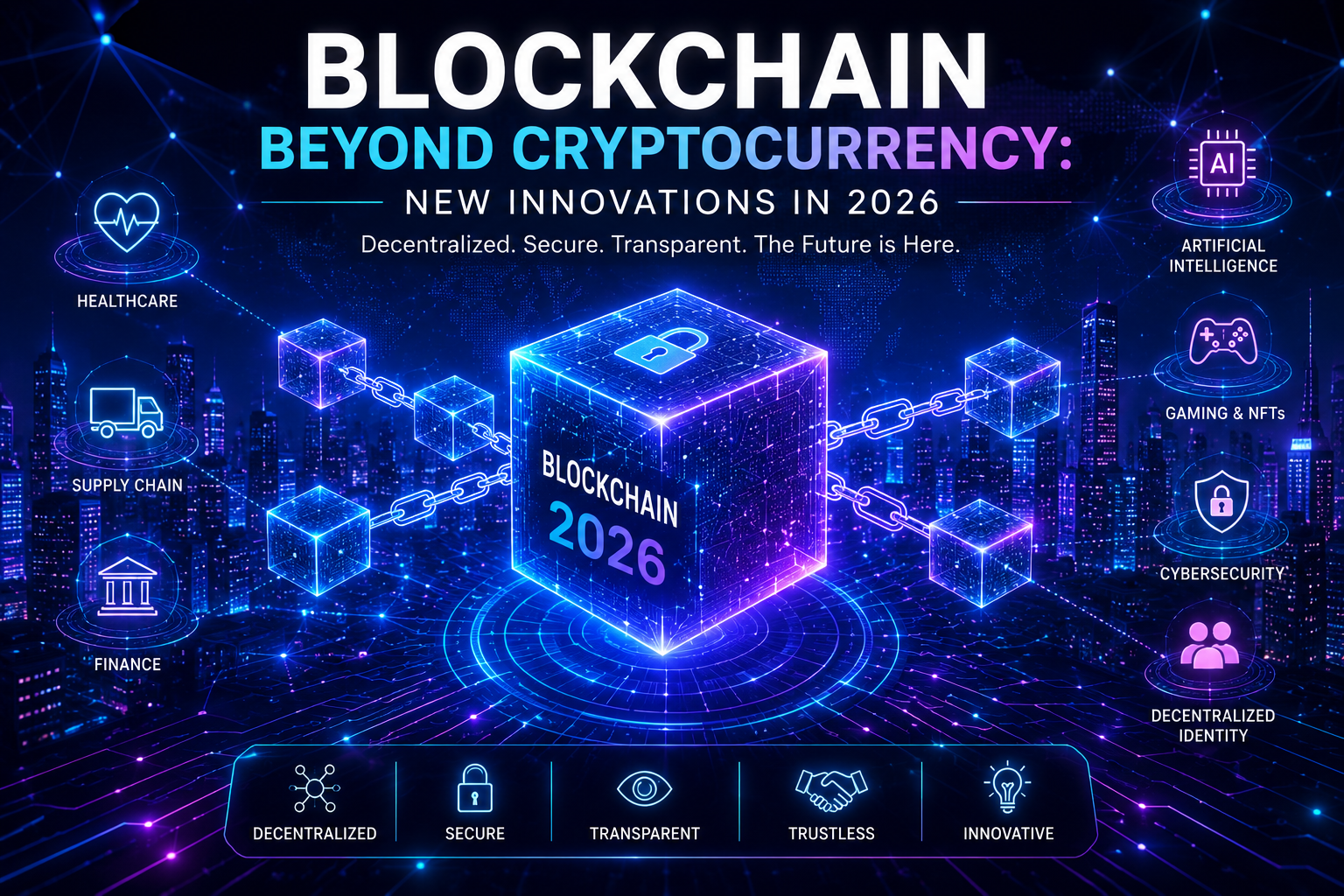
When most people hear the word blockchain, they immediately think of Bitcoin or cryptocurrency. But in 2026, blockchain technology has evolved far beyond digital coins. Industries like healthcare, banking, gaming, cybersecurity, supply chain, and artificial intelligence are now using blockchain to solve real-world problems.
Blockchain is becoming one of the most important technologies for transparency, security, automation, and digital ownership. Companies around the world are investing heavily in blockchain-based systems because they reduce fraud, improve trust, and increase efficiency.
Blockchain in Healthcare
One of the biggest innovations in 2026 is blockchain-based healthcare systems. Hospitals and medical companies are using blockchain to securely store patient records and share data safely between hospitals.
This technology helps:
- Protect medical information
- Reduce data leaks
- Improve transparency
- Speed up emergency treatment
Smart Contracts Are Transforming Business
Smart contracts are self-executing digital agreements stored on blockchain networks. These contracts automatically complete transactions when conditions are met.
In 2026, smart contracts are widely used in:
- Real estate
- Banking
- Insurance
- Freelancing
- Online business deals
This reduces paperwork, saves time, and removes middlemen.
Blockchain + Artificial Intelligence (AI)
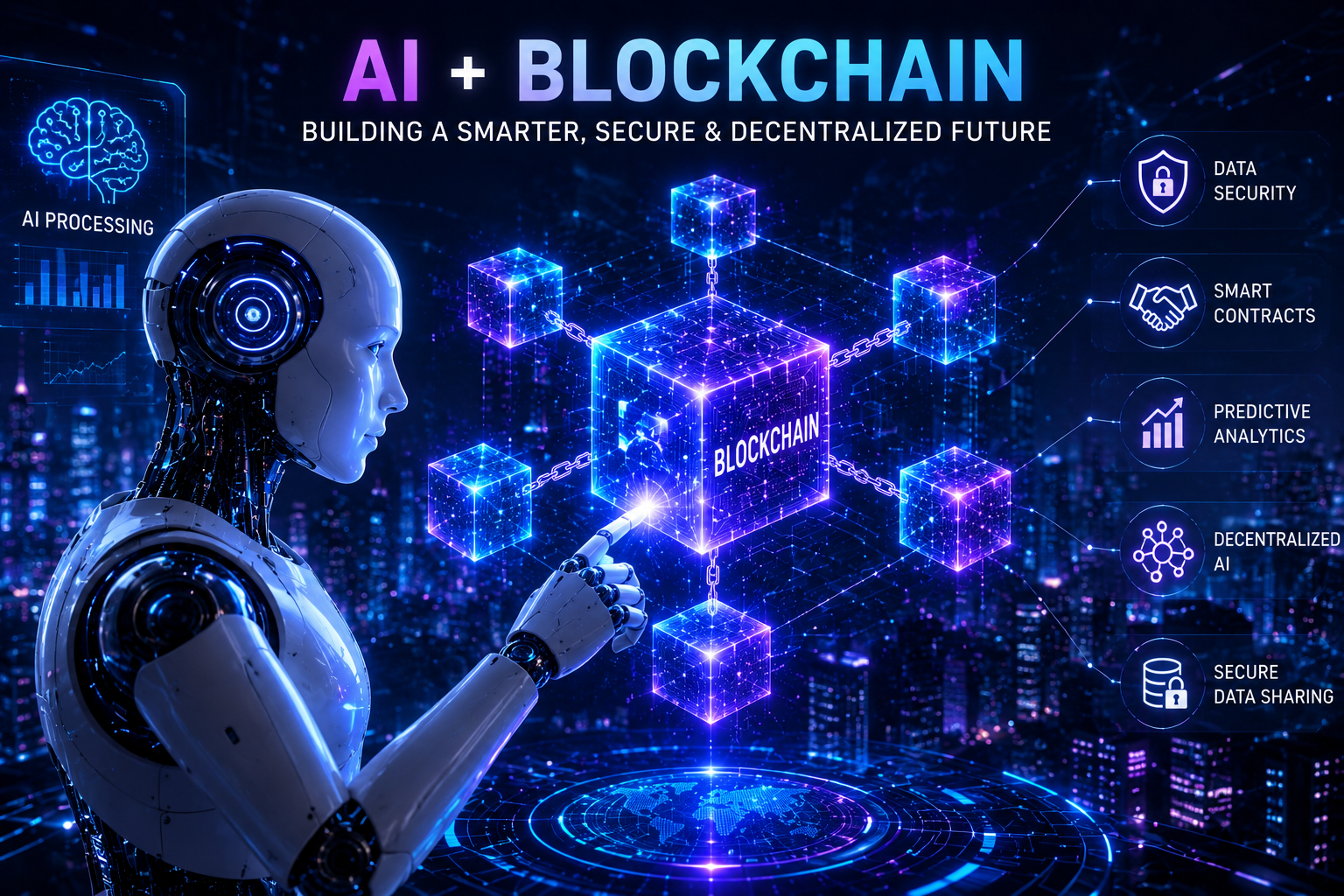
The combination of AI and blockchain is one of the hottest technology trends in 2026. AI helps machines make decisions, while blockchain provides secure and transparent data storage.
Together, they are being used for:
- Fraud detection
- Smart cities
- Secure AI systems
- Personalized healthcare
- Automated business operations
Many companies are building decentralized AI platforms where users control their own data instead of depending on large tech companies.
Blockchain in Supply Chain Management
Blockchain technology is helping companies track products from factories to customers. Customers can now verify product authenticity and track shipment history using blockchain systems.
Industries using this technology include:
- Food companies
- Electronics
- Luxury brands
- Pharmaceutical companies
This increases transparency and reduces fake products in the market.
Blockchain Gaming and Digital Ownership
Gaming has changed significantly because of blockchain technology. Players can now truly own in-game items like skins, characters, virtual land, and collectibles.
Web3 gaming and metaverse platforms are growing rapidly in 2026 because blockchain allows secure digital ownership and trading.
Green Blockchain Technology
Earlier blockchain systems consumed huge amounts of electricity, but modern blockchain platforms are becoming energy-efficient through technologies like:
- Proof-of-Stake
- Renewable energy integration
- Green mining systems
This makes blockchain more environmentally friendly and sustainable.
Real-World Adoption of Blockchain in 2026
In 2026, many global companies and governments are actively investing in blockchain technology for real-world applications. Major banks are testing blockchain-based payment systems to make international transactions faster and more secure. Educational institutions are using blockchain to verify certificates and prevent fake degrees. Even social media platforms are exploring decentralized systems where users have more control over their personal data and digital identity.
Another important innovation is tokenization. Real-world assets like real estate, artwork, music rights, and luxury products can now be converted into digital blockchain assets. This allows people to buy small ownership shares in expensive assets, creating new investment opportunities for ordinary users.
Cybersecurity is also improving through blockchain technology. Since blockchain records cannot be changed easily, hackers find it difficult to manipulate data. Businesses are now using blockchain for secure cloud storage, identity protection, and fraud prevention systems.
Experts believe blockchain adoption will continue growing rapidly over the next decade because it offers transparency, decentralization, and security. As more industries integrate blockchain into their operations, the technology could become a core part of the future digital economy.
Challenges of Blockchain
Even though blockchain technology is growing rapidly, some challenges still exist:
- Government regulations
- Cybersecurity threats
- Scalability issues
- High implementation costs
- Lack of awareness
However, experts believe blockchain adoption will continue increasing in the coming years.
Conclusion
Blockchain is no longer limited to cryptocurrency. In 2026, it is transforming industries through secure, transparent, and decentralized systems.
From healthcare and AI to gaming and supply chains, blockchain technology is shaping the future of the digital world. As innovation continues, blockchain could become one of the most important technologies of the modern era.